The recent spurt in petrol prices must have caused many a hair to fall or gray, economists swinging their heads in disbelief and also many others opting to sell their petrol cars and choosing diesel ones. However many of you must have forgotten that there is another option to petrol cars and that is installing a LPG or CNG kit. However going it in the right phrase means that you have to incorporate some changes in your car as also shell out the extra doss of money, which overall you would be spending on reducing your fuel bills in the long run. This however should be done only when you are absolutely confident that you wouldn’t sell your car off in a hurry. Much less, resale customers don’t pay for the extra CNG/LPG kit that you have fitted into the car. By going for a CNG or LPG kit means that you are also going the green way as these fuels are non polluting ones. Moreover fire catching incidents are lesser with both as their density is lower than that of petrol. Italy and Argentina are the two places from where the kits for this conversion are procured from. Both the ARAI and VRDE have certain guidelines for fitting these CNG/LPG kits. However before going for the conversion, do ensure if you want the conversion to be done? Would you be driving upto 70-80 kms everyday? If the answer is a no to any of the questions, then don’t go for it. If its yes to either one of them, then thumbs up to your decision. First of all, the local RTO has to be notified that the said vehicle is to be converted into a dual fuel one. Once the permission is granted, the procedure for the conversion follows.
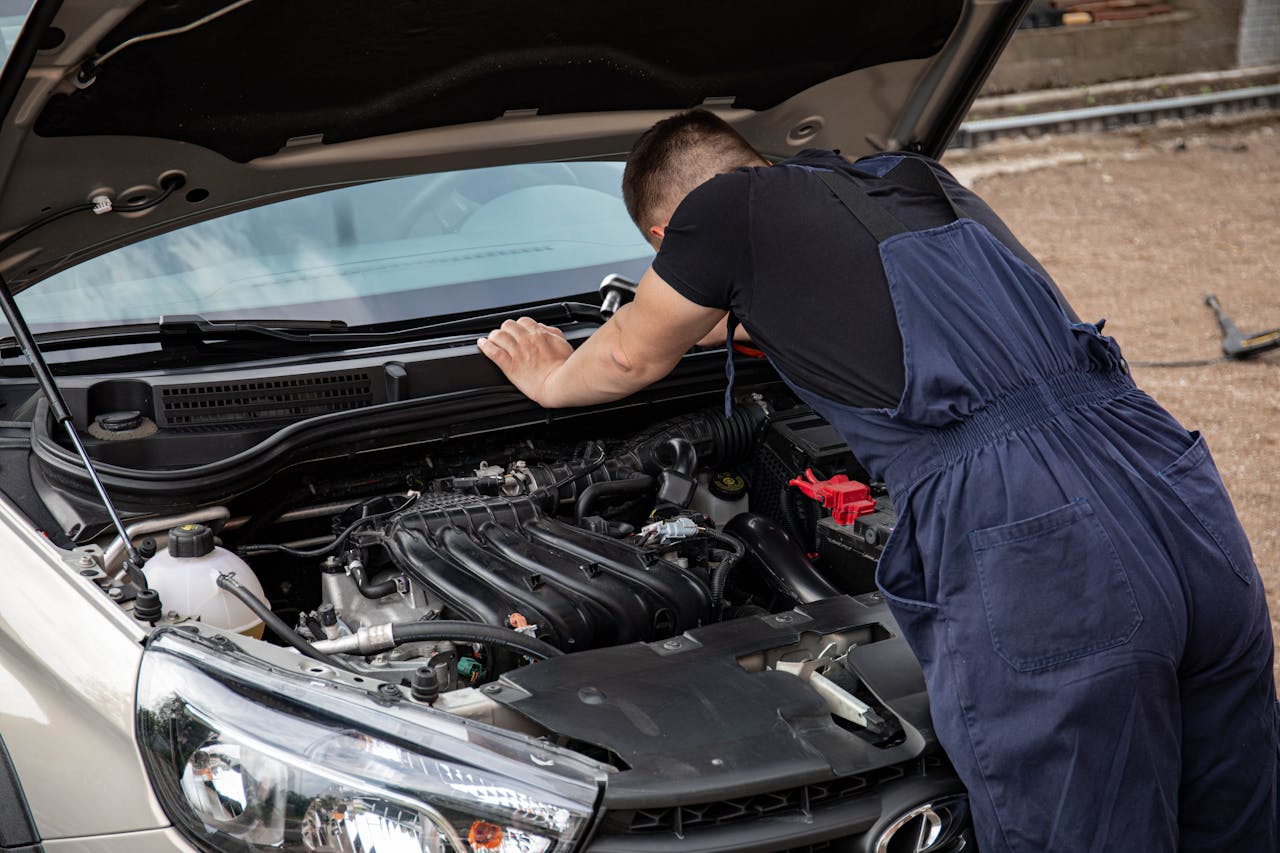
The best part in converting to LPG is that nothing needs to be removed from the car’s existing parts. Besides the existing fuel pipe lines, a torroidal tank would be fitted. This tank would have its own set of pipes which would be aligned with those of the existing ones. This is done so that small bumps or heaving and pitching of the car over speed breakers doesn’t affect the equation between the fuels. In the engine bay, a component called as Vaporizor is screwed on. If the car uses modern tech fuel injection system, then over the throttle body, a gas-air mixing device is fitted and if your car has got the old carburetor, then this gas-air mixing device is fitted over it. In the dashboard, an LED light set up is placed. The wiring process on the outside is done and is connected with the LED inside. About 7-8 hours are taken up for this process to complete. The LEDs in the dashboard act as indicators which would actually signal to you how much of gas is remaining in the fuel tank or even tell you whether you are driving in LPG or petrol mode now, via a switch besides it. Also, after all this process is done, the car is taken the very next day to the RTO for approval. Do remember that the household LPG cylinder cannot be used in a vehicle.

Now comes the CNG part. In the boot of the car, a support for the CNG cylinder is installed. Then all the necessary installation which are mechanical in nature are completed. Afterwards, the wirings and electrical installations inside the kit are done. After all this is done, the vehicle is lifted so that a CNG pipe which has high pressure is installed. Once the tank and everything has been fitted, the leaking test for the CNG kit begins. A pressurized cylinder comes into picture and it brings the pressure to about 120 BAR. Using a certain soap solution, the entire links and connections are checked. The valve for the CNG cylinder is placed to the “Open” position the pointer for the pressure gauge is set to the zero position. Later on the CNG filling operation is carried out. Most of the CNG fitting workshops are located close to a CNG station. Once the CNG is filled, the concerned person once again checks for any leaks and the entire procedure with the soap solution is repeated. Once it is confirmed that there are no leaks, the vehicle is taken to the RTO for an approval and for CNG kits, RTO officials usually test drive the vehicle to ensure that there are no jerks or any safety issues. Once they confirm that everything is safe and sound, the car’s RC book is given the stamp by the personnel at the RTO.

Once the kit has been fitted, both the LPG and CNG car owners are given a brief by the tuning house. They are given details about the various LPG and CNG outlets available in the state. Various parts as also the accident and safety procedures are explained in detail. Moreover, if the CNG or LPG kit doesn’t work, then the customer is also informed as what to do next in this scenario. Customer also receive the necessary documentation as also warranty on the kit by the relevant tuning firm. The benefit of CNG and LPG not only reflects at the pumps but overall in the atmospheric zone with both emitting zero particulate emissions. Some precautions to be taken include that the car should be regularly serviced as both the fuels are dry and hence friction between the engine parts may be a wee bit more than what it would be if the vehicle runs on petrol. Moreover, do make sure that you run your car atleast twice a week in the petrol mode. Government approved centers should be the ones from where you should get the conversion job done. The cost of converting a car from petrol to dual fuel runs into Rs 20k-40k. So do keep in mind that this initial cost can only be recovered if the running of the vehicle is high. Auto LPG price in Mumbai runs into Rs 33.23 per liter whereas that of CNG is lower at Rs 31.47/kg. Private firms like Essar, Shell and Reliance are free to charge any rate of their liking however. The government affiliated companies like BPCL, IOC and HP have raised the prices of petrol on 15th May 2011 by about Rs 5 per liter. Some of the government approved kits for LPG or CNG are Landi-Renzo, Bendini Tartirini, Lovato, Longas, StarGas, Bendini – Lamda, OMVL and Zavoli. These are some of the famous names in this business and they are mostly from Argentina or Italy. They can be trusted for their reliability as well. Infact some of the manufacturers in India fit them as OEM in their cars. A slight drop in power would be noticed when one switches from petrol to CNG or LPG. Moreover, opt for those kits which do a auto conversion and not via a switch thing. Moreover once you get the kit fitted on, remember to put not more than 10 liters of petrol. This is because even though petrol isn’t being used, it tries to actually get into the fuel line and is sent back to the tank by the valve. This results in the petrol losing out on its octane content. So when you actually switch to petrol sometimes, the car would anyways be making less of power. In this case, opt for higher octane petrol like Power or Speed.




Leave a Reply